
In terms of dispatching high volumes of goods, an enterprise requires some serious and established, yet affordable solution that would be able to deal with large-volume cargo effectively. Bulk freight plays a very vital role in the global trade since it facilitates transportation of large quantities of such goods through land, sea and air. Due to the growing need to make bulk deliveries, businesses depend on the services of logistic providers capable of providing lean and efficient solutions to bulk any freight delivery. This article will discuss the nature of bulk freight, the operations of bulk freight and the importance of businesses using the appropriate shipping method to suit their requirements.
What is Bulk Freight?
Bulk freight involves the delivery of large amounts of cargo, which are usually not packed separately. The bulk freight, as opposed to parcel shipping, is usually carried in large containers or by a specialized equipment, depending on the cargo. Such goods may be raw materials such as coal, grain or oil, and heavy equipment or industrial goods. Bulk shipping is the most usually found in such industries as manufacturing, agriculture, energy, and construction in which a great amount needs to be transported.
Types of Bulk Freight Transport
Transporting bulk freight can be done in a number of different ways, which each have different types of cargo and business requirements. The most frequently used ones are:
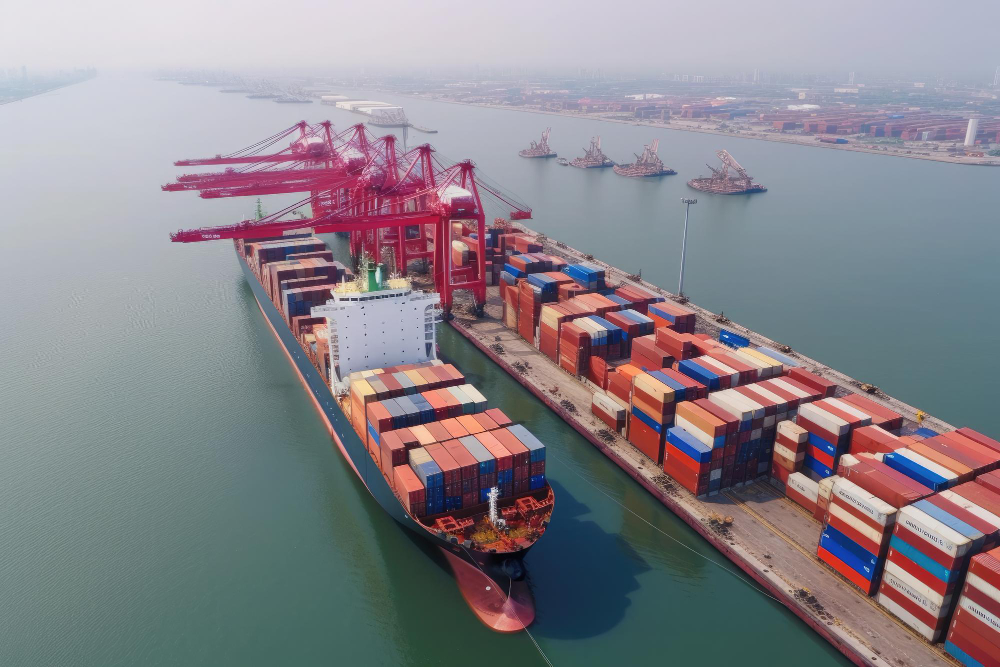
1. Sea Freight: It is the most common mode of transporting large quantities of shipments those that must cover long distances. Sea freight shipping of bulk freight should be used when the shipment of goods can be shipped in bulk carriers e.g. dry bulk, liquid bulk, and breakbulk cargo. Sea freight is economical considering the huge capacity of ships, and any business that intends to transport large volumes of products abroad can consider it as a means of transportation.
2. Air Freight: Air freight is normally applied to smaller shipments of high value, however there are some forms of bulk shipments that can be applied. Nonetheless, air freight delivery is far costlier than other methods and is typically used to deliver objects that have to be delivered quickly.
3. Land Freight: In case goods should be shipped by land, trucks, trains, and special vehicles are utilized. The transportation of bulk freight by land is a necessary component of the logistic operation, particularly when domestic deliveries have to be performed. Trucking is also usually applied to the handling of heavy or bulky cargo to distribution centers or ports, whereas rail transport is more often applied in handling large-scale cargo over longer distances.
The Benefits of Bulk Freight Shipping
Bulk shipping provides a number of benefits to the businesses particularly the ones with high shipping needs. The following are the main advantages:
Cost Efficiency: Shipping large volumes of freight is usually less per unit in comparison to smaller shipments due to economies of scale. This makes it more cost effective to companies that have to deliver high volumes of products within extensive distances.
Higher Capacity: Bulk freight is one where one can transport large quantities of goods at a time. This is because this capability can allow business enterprises to transport large volumes of goods in a limited amount of time so that the enterprises are able to meet the demand of the customers or the manufacturing timetable.
Less Handling: Bulk freight shipping is normally characterized by a lower number of handling processes. As goods are shipped in large numbers and there is only the number of containers required, the chances of damage are minimal, and the necessity of multiple touchpoints is also decreased.
Special Equipment: Bulk shipping can involve special equipment, like bulk carriers, tankers and flatbed trucks. This is a specialized equipment that is meant to be in charge of handling bulk goods safely and securely, with less risk of losing or damaging the products.
How Bulk Freight Shipping Works
The bulk freight shipping usually entails the following steps:
1. Preparation of Goods: The goods have to be packed to be shipped before the bulk freight transport can start. This involves the quantification of the cargo volume and weight to be used in the determination of the type of transport to be used. There are goods that might require special handling or packaging like storage that is temperature controlled to retain perishable goods.
2. Selecting a Transport Method: After the goods are ready, business companies have to select the most appropriate mode of transport depending on their requirements. The freight should be the best; sea freight, air freight, or land transport depending on the destination and nature of goods that are to be shipped.
3. Shipping Process: The bulk goods are then loaded into the containers or vehicles that will be part of the transport process at the point of selecting the mode of transport. This is mostly done by loading goods into bulk carriers or tankers and making them transported to the destination.
4. Delivery and Distribution: At the destination, the bulk shipments are offloaded and delivered at the appropriate destinations. In the case of international shipments, this can be customs clearance and in the case of domestic shipments the goods are delivered to warehouses or retail stores.
The Role of TMS in Bulk Freight Shipping
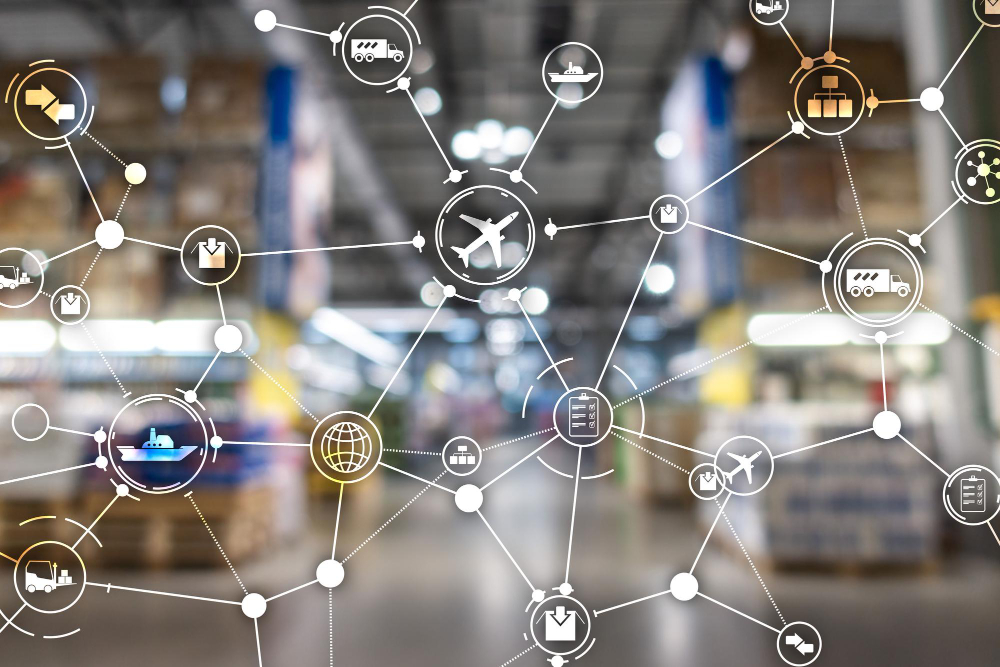
TMS are proposed to help handle and optimize the bulk freight deliveries. A TMS system improves logistics through automation of many tasks, e.g. route optimization, load planning, and shipment tracking. In the case of bulk freight, a stable TMS is essential in the process of controlling the logistics of huge shipments and their timely delivery. Through a TMS, companies are able to monitor the condition of bulk shipments in real time, although this takes the place of transportation costs, and the overall efficiency of the logistics processes are enhanced.
Bulk Freight in the Modern Logistics Ecosystem
In the present world environment, which has been characterized by a fast pace of operations, businesses are always seeking solutions to simplify their logistics and supply chains. Bulk freight shipping is a very significant component of this ecosystem as it facilitates the transportation of heavy volumes of products at reduced costs and speeds. Nevertheless, the logistics sector has undergone major transformations, and digital tools and technologies are transforming the bulk shipment management methods. As an example, AI and automation are currently introduced into the supply chain management and enhance the efficiency of working with bulk freight operations. The firms utilizing such technologies are in a better position to meet the increasing bulk shipment demands in the ever competitive market.
How Truxup Enhances Bulk Freight Solutions
In the case of bulk freight shipping, companies require a reliable partner that would be aware of the ins and outs of large-scale logistics. Truxup also provides specialized bulk freight delivery services, which are offered to industries that have large shipping requirements. Truxup has a superior TMS system that will make certain that bulk shipments are effectively handled and that the planning and delivery stages are met with the necessary attention. Truxup is a significant industry player in bulk freight transport because of their experience in bulk freight transportation and the fact that they provide cost-effective and reliable services.
Adapting to Changing Bulk Freight Needs
Due to the ever-changing nature of global trade, companies need to remain mobile and adjust to the new trends in the market. The manufacturing industries, agriculture, and energy are likely to grow, which means that the demand in bulk freight transport will be increased. To remain ahead of the market, companies have to invest in innovative solutions to keep up with the market, and they may include more efficient bulk shipping methods, and modern supply chain technologies. The businesses can keep track of the current trends and happenings in bulk freight shipping in order to ensure that they are competitive and that they are able to deliver their shipping needs efficiently.