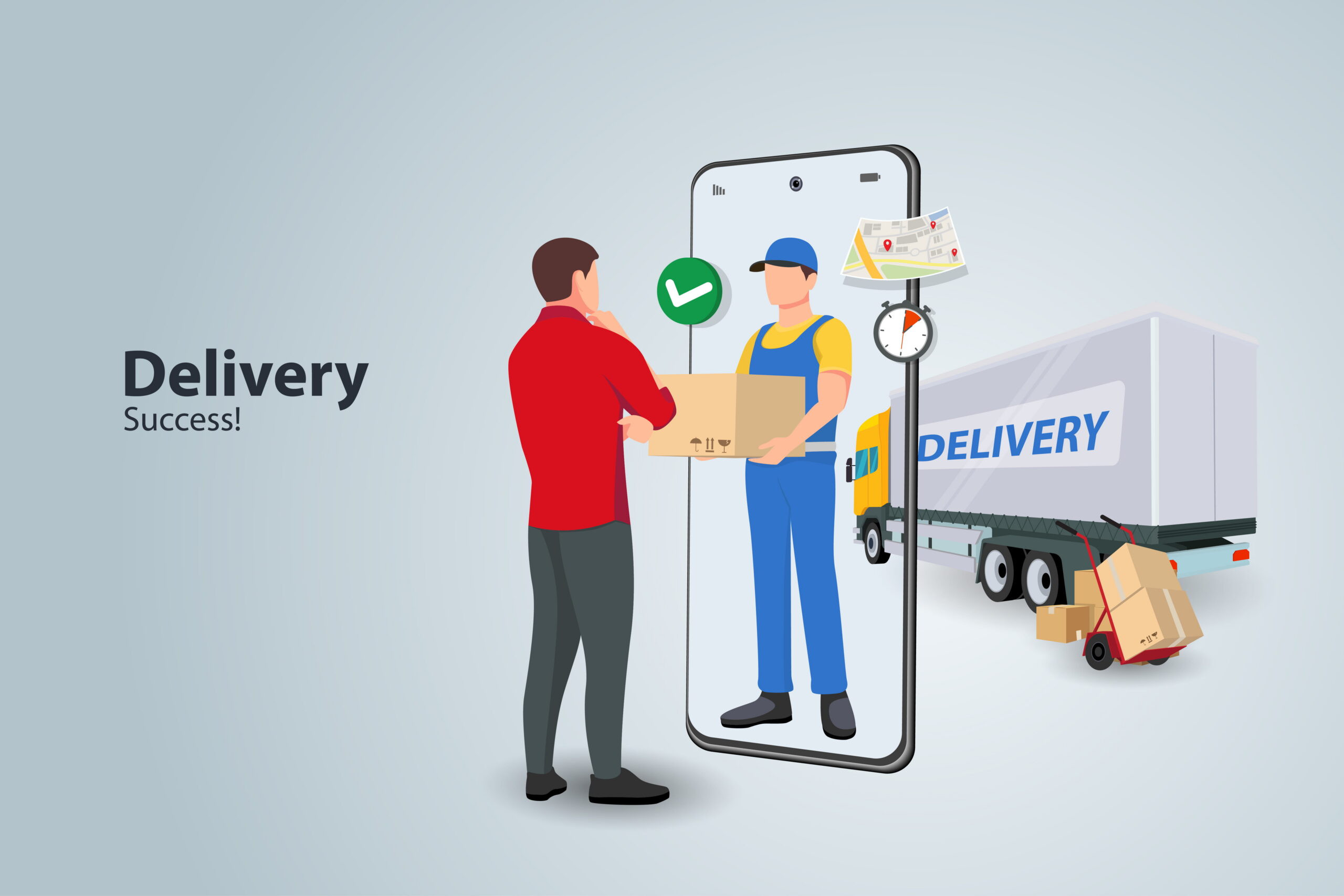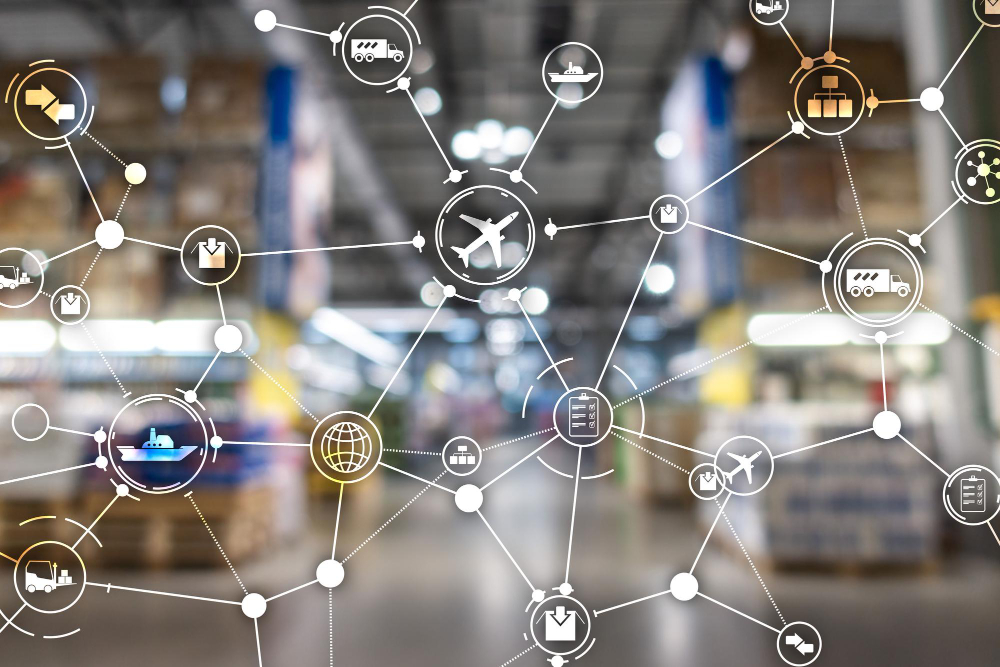


In the modern logistics industry, efficiency is one of the factors that keep one within the competitive arena and fulfilling customer demands. Companies worldwide are rapidly resorting to outsourcing shipping services to ensure the smooth running of their business and, more importantly, better service delivery. Otherwise known as 3pl TMS Logistics Software Solution, third-party shipping services have a variety of advantages that can directly influence the performance of the operations and consumer satisfaction. This blog will discuss the high efficiency of third-party shipping and why companies are opting to engage in business with such providers.
What is Third-Party Shipping?
Third-party shipping in its essence means that the logistics of operations are offered to a specialized service provider. These are the so-called third-party logistics providers (3PLs) that deal with different aspects of the shipping and supply chain strategy, including warehousing and inventory control to order fulfillment and last-mile delivery.
Simply put, the 3PLs take care of the logistics process components, which the businesses may find challenging or expensive to handle internally. They introduce skills, high technology and well-built networks to ease the operations and cut overheads.
The Growing Demand for Third-Party Logistics
Third-party shipping is becoming popular among businesses of all sizes, including eCommerce startups and major companies operating in the market, as a competitive strategy to overcome the rapidly growing competition of today. The speed and accuracy required in order fulfillment as never been greater with the customers demanding fast deliveries and instantaneous tracking.
In the case of companies, outsourcing shipment services enables the company to concentrate on its central business of either developing products or marketing, and leave the logistics of the company to the professionals.
Streamlined Supply Chain Management
Among the key benefits of third-party logistics is the possibility to streamline the supply chain. When companies use 3PLs, they do not need to operate the complicated logistics systems independently, i.e., creating warehousing and distribution networks, investing in delivery vehicles, or recruiting logistics personnel.
The 3PLs usually have a well developed network to enable the access tos in several warehouses, freight carriers and suppliers and this offers more flexibility and efficient way of controlling the flow of goods. When the companies utilize such networks, they are able to cut down the lead times, manage their inventory, and streamline the distribution process.
Cost Savings and Operational Flexibility
There are logistics expenses that may prove expensive to the enterprise particularly where the enterprise resource is limited or is handling large volumes of goods. Outsourcing the third-party shipping services enables the business to save up on the capital expenditure to a great extent. As an example, businesses do not need to spend on costly warehouse systems, trucks, and sophisticated tracking systems.
In addition, third-party logistics providers may work at scale, which enables them to realize cost-efficiencies that are not possible in small businesses. The 3PLs are able to reduce shipping costs due to common warehousing and combined shipping and transfer the cost reductions to their clients who may not afford to do business due to high shipping and fulfillment expenses.
There is also scaling of shipping providers that are third parties. Since businesses expand or their demand changes, Truxup can use the flexibility of the 3PL services without having to deal with these variations internally. This flexibility is essential to those companies whose growth must be highly responsive to match the market demands or adapt to the seasonal peaks.
Enhanced Visibility and Tracking
Among the significant advances, which the third-party logistics produced, is the visibility of the supply chain. 3PLs tend to incorporate the latest technology into their business process, such as GPS tracking, real-time inventory management platforms, and customer portals. Through these technologies, businesses are able to track the flow of goods throughout the supply chain.
Real time tracking enables businesses and their clients to be aware about the status of shipment, the time of delivery and possible delays. With increased transparency, 3PLs allow firms to enhance customer satisfaction, minimize missed deliveries, and proactively make decisions to address any form of problem.
Expertise and Industry Knowledge
Logistics business is not an easy task because of the ever-changing laws, shipping lines, and technologies. To companies lacking profound understanding of logistics, such issues may seem impossible to handle. Shipping agencies also inject some expertise in the process by providing advice on the most effective shipping paths, the most appropriate carriers on particular commodities, and adhering to global shipping standards.
A 3PL engagement can also provide the company with access to the newest technologies, logistical innovations, and industry best practices that are not necessarily accessible. This is a skill that would be especially useful in case of entering new markets or dealing with international deliveries because 3PLs are knowledgeable about the challenges of international logistics.
Reducing Risk and Increasing Reliability
Transportation and logistics are associated with some usual risks such as inventory loss, damaged goods and failure to comply. By delegating the logistics process to a professional 3PL organization, companies will be able to mitigate these risks to a substantial level. The risk management systems of these providers are well established including insurance, security measures and good quality control measures.
Moreover, the stability of a third-party shipping company can assist companies in mitigating the inconveniences that could be occasioned by internal inefficiencies or unforeseen logistic problems. By outsourcing the logistics process to the 3PL, the businesses will be able to count on quality delivery and prevent the mistakes which are associated with high costs and may hurt the bottom line and reputation of the business.
Access to Advanced Technology and Innovation
Over the past years, logistics have been the subject of significant technological changes, such as AI-assisted predictive analytics, or state-of-the-art automation systems. To a great number of businesses, the cost of keeping pace with such innovations may be prohibitive. Nonetheless, in cases where companies engage third party logistics services, they will be able to access the newest technologies without necessarily making expensive investments.
As an example, most of the 3PLs adopt warehouse management systems (WMS) to streamline the inventory, automatize the picking of orders as well as enhance the effectiveness of the overall fulfillment process. Not only are such technologies useful in improving operational efficiency, but also reducing human error, faster order processing, and better inventory accuracy.
Tailored Solutions to Meet Specific Needs
Logistics requirements of every business are unique, depending on the nature of products, target markets, and customer expectations. Third-party logistics providers are providers of custom solutions to these particular needs. It can be cold storage of the perishable goods, special packages of fragile products, or even custom routes to limit delays, 3PLs can modify their services and offer them in the very way their clients were meant.
Such a high degree of personalization guarantees that companies will be able to create the most optimal experience of their clients and streamline their internal workflow. The 3PLs allow companies to fulfill the pledge of quality and reliability by customizing logistics solutions to meet particular needs.