Last mile trucking is now one of the most important units of the modern logistics and supply chain ecosystem. With an ever-growing demand on businesses to deliver goods to their ultimate destination in a quicker and more transparent manner, businesses have put a lot of emphasis on how items travel through distribution hubs to the end location. This last leg of delivery process might not be very long distance, but it has the most complex operations and customer influence.
The mechanism of last mile trucking, its importance, and dynamic can be utilized by the businesses to ensure efficient delivery and cost reduction as well as customer satisfaction in an environment that is becoming more competitive with each passing day.
How to know about Last Mile Trucking in Logistics
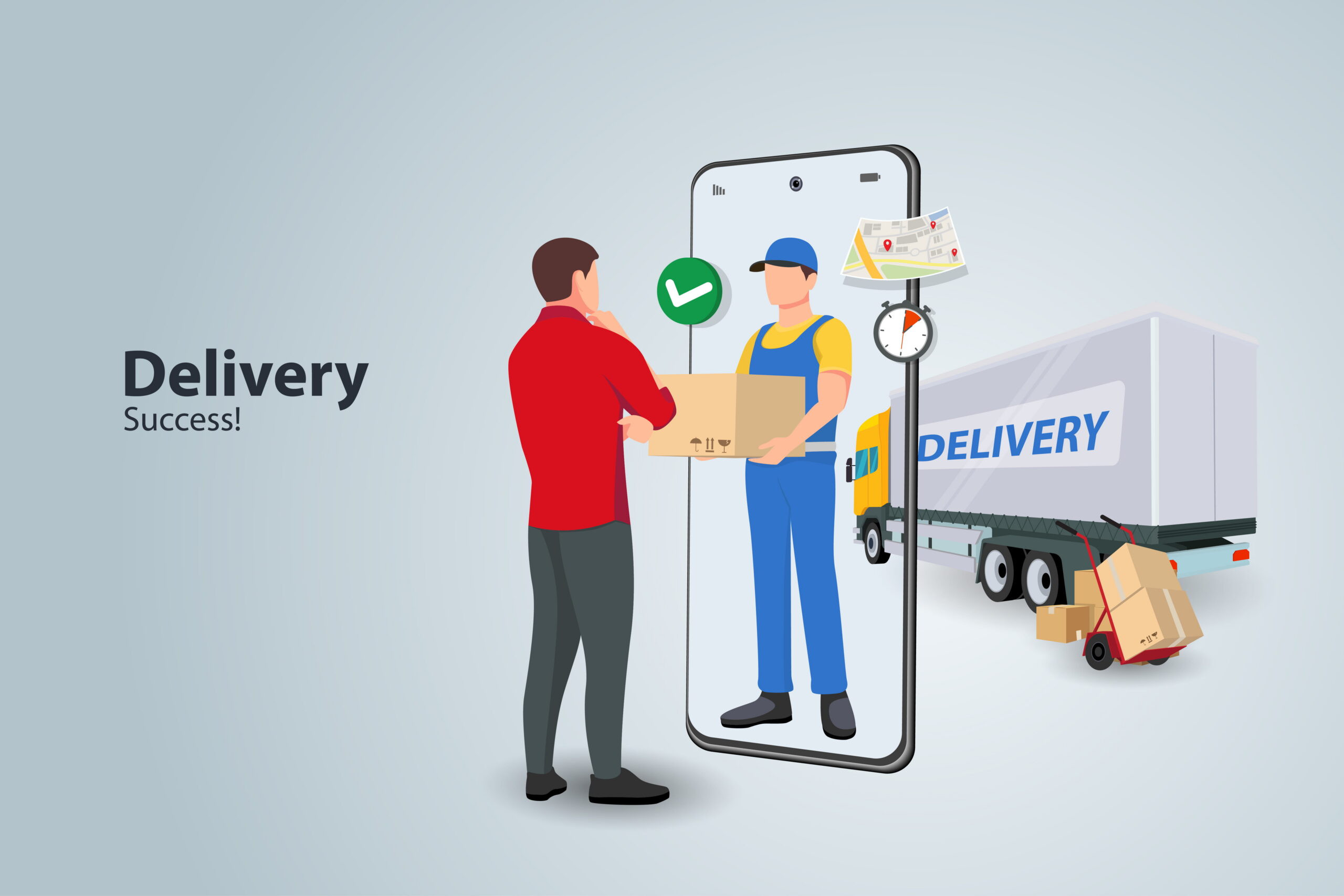
The term last mile trucking is used to describe the delivery of products after they leave a local warehouse, distribution center or fulfillment hub to the final customer. This phase of supply chain is usually the most visible aspect of supply chain since the businesses deal directly with the customers at this level of supply chain by the delivery that is timely and accurate.
In contrast to long-haul freight, last mile trucking is carried out at high-density urban centers, residential and business districts where logistical issues involve traffic jams, parking restrictions, and delivery time constraints. Although the distance covered is minimal, the involved complexity renders this stage as one of the most costly in the entire process of logistics.
Final Mile Trucking and its role in Customer Experience
Final mile trucking is one of the issues that are closely connected with customer satisfaction. Late delivery, spoiled products or wrong communication can have a direct effect on the brand name and customer loyalty. That is why organizations are spending a lot of money to enhance their last mile truck operations.
Final mile transportation does not limit itself to delivering goods in a short time frame, but also in creating an accurate delivery, real-time tracking, and by offering flexibility in the delivery process. Companies that streamline their last mile trucking logistics are in a better position to achieve the expectation of their customers in eCommerce, retail, healthcare, and food distribution industries.
The main Problems of Last Mile Trucking Business
The issues that last mile trucking has have different implications compared to those associated with long-distance trucking in freight transportation. Crowding in urban areas can reduce the speed of deliveries and burn a lot of fuel, and the ability to make frequent stops complicates the work of drivers and vehicles. Increasing fuel prices and lack of workforce also add to the problem of final mile transportation planning.
The other difficulty is in route optimization. Considering the fact that the final mile truck routes tend to vary every day due to the number of orders andwhere the customers are, the logistics providers must use sophisticated planning tools to maintain efficiency. Failure to plan the routes means inevitable delays in delivery and increased costs of operation.
The Technology that is changing Final Mile Transportation
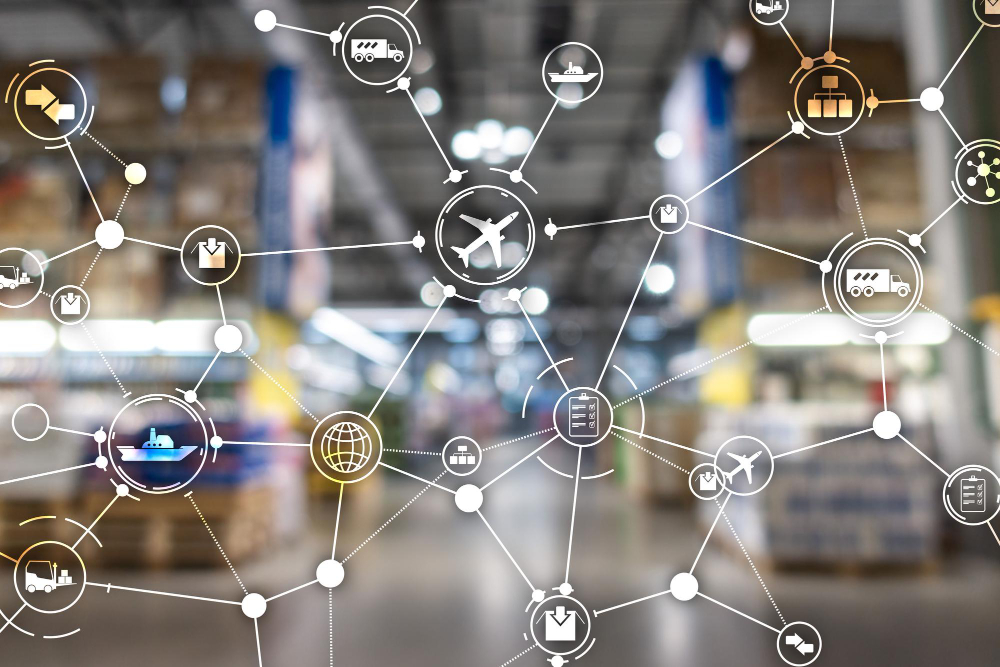
In last mile trucking technology is critical in modernizing it. Cloud-based transportation management systems assist businesses to plan, monitor and optimize deliveries in real-time. Such platforms enable logistics teams to track the work of drivers, make adjustments to delivery routes in real time, and be in direct contact with the customers during the delivery.
Final mile transportation is also changing with data analytics that determines delivery trends, forecasts delays, and optimizes fleet. Together with GPS tracking and automated dispatch systems, businesses have a more significant control over their last mile trucking and less inefficiency.
Cloud-based logistics businesses, including Truxup, take advantage of cloud-based logistics to promote final mile trucking, visibility, and scalable operations of deliveries in various areas of service.
Last Mile Trucking and Sustainability and Efficiency
With the adoption of sustainability as a global issue, the last mile trucking is changing dramatically. Final mile transportation is the subject of interest in environmental improvement efforts because shorter deliveries in congested locations are contributors to the emission.
Companies are implementing fuel-efficient cars, efficient delivery routes and shipment consolidation to minimize carbon footprints. The last mile trucking in the urban areas are also seeing the introduction of electric and hybrid delivery trucks, which are being considered as a quieter and cleaner alternative to the traditional vehicles.
Companies can reduce cost and increase environmental benefits through delivering more density and reducing empty miles without sacrificing on service quality.
The effect of urbanization on Final Mile Truck Networks
The increase in cities has resulted in the growth in the need of efficient last mile trucking. As the population increases in urban areas and a greater number of people order products online, final mile truck networks have to operate within much smaller delivery schedules and under harsher laws.
The city delivery areas usually demand adherence to local standards of the traffic laws, emissions, and limited hours of delivery. As an adaptation, logistics providers are creating flexible delivery approaches, which incorporate micro-fulfillment centers and localized distribution centers. Such strategies reduce the delivery distances and improve responsiveness in high populated locations.
Last Mile Trucking in eCommerce and Retail Growth
Due to the emergence of eCommerce, the last mile trucking has become a competitive differentiator. The customers have developed a demand of speedy, dependable and clear delivery experiences whether it is a small or a big order. Retailers not using final mile transportation to its full potential are bound to lose out customers to companies that provide quicker means of fulfillment.
Last mile trucking ensures efficient management of a same-day and next-day delivery model to ensure that businesses can meet the increased demand without jeopardising the quality of services offered. Online integration of online ordering systems and delivery networks will provide a smooth process of communication and accuracy of orders in the final mile.
Final Mile Transportation Operational Visibility and Control
Complex last mile trucking operations require visibility to manage their operations. The real time tracking feature will enable the logistics managers to react promptly whenever there is disruption like traffic jam or a vehicle failure. Transparency is also beneficial to customers in the form of precise delivery notifications and approximate times delivery.
The sophisticated logistics systems allow centralizing the management of final mile truck fleets and allow business to track the performance metrics and find the ways of improvement. Truxup helps achieve this degree of visibility in its operations due to the integration of the cloud technology with smart logistics management tools.
The Future of Listen to the Last Mile Trucking
Innovation, automation as well as data-based decision-making are the future of last mile trucking. With the need to keep the volume of delivery constantly increasing, businesses will be dependent on predictive analytics, AI-based route optimization, and connected car technologies to keep efficiency levels up.
Final mile transportation will also be more customer-oriented, in terms of choosing delivery schedule and location. The firms which invest in scalable and technology-based last mile trucking solutions will be in a better position to respond to the changing market needs and regulatory levels.