Bulk haulage is a very important part of logistics and transport industry especially when dealing with the transportation of large amounts of goods that are not packaged separately. Be it construction materials, raw minerals, or even agricultural products, bulk haulage is a very crucial aspect in ensuring that industries get what they require when they require them in a very timely and efficient manner. However, what is bulk haulage and how does it work?
Establishment of Bulk Haulage and Its Significance.
Bulk haulage, also called bulk haul, is the transportation of bulk (large amounts) of loose goods, typically as liquid, grain or loose particles. In contrast to normal haulage which can be that of transporting packaged goods, bulk haulage is made to transport bulk products which are normally loaded directly onto a truck or other form of transportation vehicle and are not packaged. This may comprise of sand, coal, grains or chemicals.
One cannot overestimate the importance of bulk haulage because it benefits many industries, including construction, agriculture, manufacturing, among other ones. Effective bulk transportation means that companies are in the position to obtain the raw materials to run effectively and serve the needs of the customers. It is a highly professional service which demands exclusive vehicles, equipment and expertise to enforce safety and compliance.
Bulk Haulage Service Types
In the context of haulage transport, there are various kinds of bulk haulage facilities that could be used to serve the masses of industries. Some of these include:
1. Dry Bulk Haulage: This is the shipment of such products as sand, gravel, and other dry bulk products. The products are normally loaded in hopper trucks or dump trucks so that they can be easily unloaded. Dry bulk haulage is a common practice in the construction and mining sector.
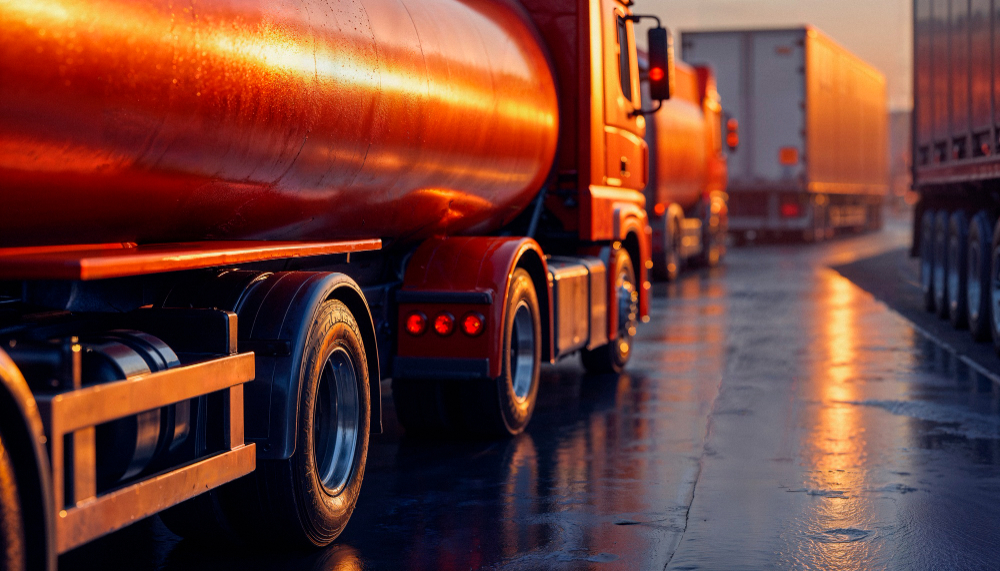
2. Liquid Bulk Haulage: Liquid bulk haulage is a type of transportation that concerns the movement of liquids like oil, chemicals, food grade liquids etc. as compared to dry bulk. It uses special tankers and tanker trucks to allow them to avoid spillage and deliver safely.
3. Container Bulk Haulage: This is the kind of haulage that is used to carry bulk goods in bulk containers usually abroad. It is an effective method of handling bigger deliveries especially those goods that require long storage.
Reasons why Bulk Haulage is Necessary to Businesses
The demand of bulk haulage services is now greater than ever before with the development of industries that depend on bulk materials. Bulk haulage has many advantages that they include:
- IV Cost-Efficiency: When bulk transportation is carried out, the cost per unit is usually lower than it is when implementing transportation of separate items. Bulk haulage services help businesses to save a big proportion in terms of transport expenses.
- Time-Saving: Bulk haulage will enable large goods quantities to be moved at once, eliminating the necessity to make several deliveries. This saves time as well as improving operational efficiency.
- Environmental Impact: Bulk haulage allows to decrease the carbon footprint because large quantities in one shipment reduce the carbon footprint when compared to small frequent deliveries. This renders it a more long-term strategy to use by the businesses that would want to minimize their impact to the environment.
Knowledge of Haulage Transport Vehicles
The haulage transport vehicles employed in bulk haulage are of several types expectation based on the type of goods that they are hauling. The most commonly used ones are:
1. Tippers and Dump Trucks: They are usually used in the transportation of the dry bulk materials, particularly the construction materials such as gravel, sand, and crushed stones. This allows the truck to tip the load out back of the truck thus making unloading a quick and efficient exercise.
2. Tankers: In case of liquid and hazardous materials, tankers are employed. These tanks are designed to take liquids safely and have specialized tanks which avoid spillage.
3. Flatbeds: There are instances where bulk products that need special loading and unloading can be transported by the use of flatbed trucks. These are commonly applied when using heavy and oversized materials such as beams of steel and heavy equipment.
Regulatory issues in Bulk Haulage
Bulk haulage has many advantages; however, it is also subjected to strict rules in order to be safe and compliant. The carring of bulk goods comes with a number of safety inspections, in which the load should be secured properly, weight limits should be met, and drivers should be trained to handle dangerous materials in case of a necessity. In the case of the transport industry, it is necessary that business people in the industry learn and abide by these regulations to prevent them incurring fines, accidents, or delays.
Why Professional Haulage Services?
Professional companies offer bulk haulage services that are a critical decision to be made by businesses that need reliable, time-sensitive, and secure transportation. The professional haulage service providers possess the experience and the infrastructure needed to deal with everything associated with bulk haulage, including the initial loading to the final delivery. The other companies such as Truxup have established their reputation through the provision of quality haulage transportation solutions to the diverse industries. These services can be used whether you require dry bulk haulage or liquid transport needs and this way your logistics of moving large quantities of goods will be efficiently handled.
Future of Bulk Haulage: Trends and Innovations
Due to the changes in industries and the rise of new technologies, the bulk haulage is likely to experience dramatic changes. The following are some of the future trends of bulk haulage:
- Automation and Technology: As the autonomous vehicle and digital tracking systems emerge, bulk haulage is becoming more computerized. This enables more efficiency, less human error as well as real time tracking to both the businesses and customers.
- Sustainability: The bulk haulage market is changing to greener technology in the light of growing interest in sustainability. The use of electric trucks and other alternative fuel is slowly being incorporated to minimize the emission and help with environmental protection.
- Innovations in Safety: There are increased safety measures and implementation of intelligent technology that is ensuring bulk haulage is safer than ever. Monitoring systems and real time, improved truck design and advanced training programs are also assisting in cutdown accidents and other safety standards.
The insertion of Bulk Haulage in the contemporary Logistics
In the current globalized world with immense speed, bulk haulage has become part of the working of the industries across the globe. It is critical in contemporary logistics and supply chains, which guarantee that bulk materials are delivered where and when required. With the current increasing demand of bulk goods, the need to have innovative and reliable services of bulk haulage services will keep on growing.
It is critical that regardless of whether you are dealing with a major construction project, operating a manufacturing plant, or dealing with agriculture, you have to understand the importance of bulk haulage to streamline logistics operations. Haulage transport services are among the important elements in assisting industries to remain competitive in the global market, such as the case of Truxup.