
The trucking industry provides an essential service for the world’s economy, moving goods from one part of the country to the other and helping to maintain commerce. The trucking sector has numerous routes, and independent trucking has emerged as one of the most popular, providing truck drivers with a chance to control their careers. Independent truckers work as business owners as opposed to regular company drivers who have to deal with other issues involved in driving for the company. It’s important to know what’s going on when moving from an employee to an owner operator.
Company Truck Driver vs Owner Operator
One important factor in the trucking world is that of the company truck driver versus the owner operator. Company truck drivers are employees of a trucking firm, where the company supplies the truck, maintenance, truck insurance, and logistics services. This set-up provides stability and less personal responsibility but also less flexibility and earning potential.
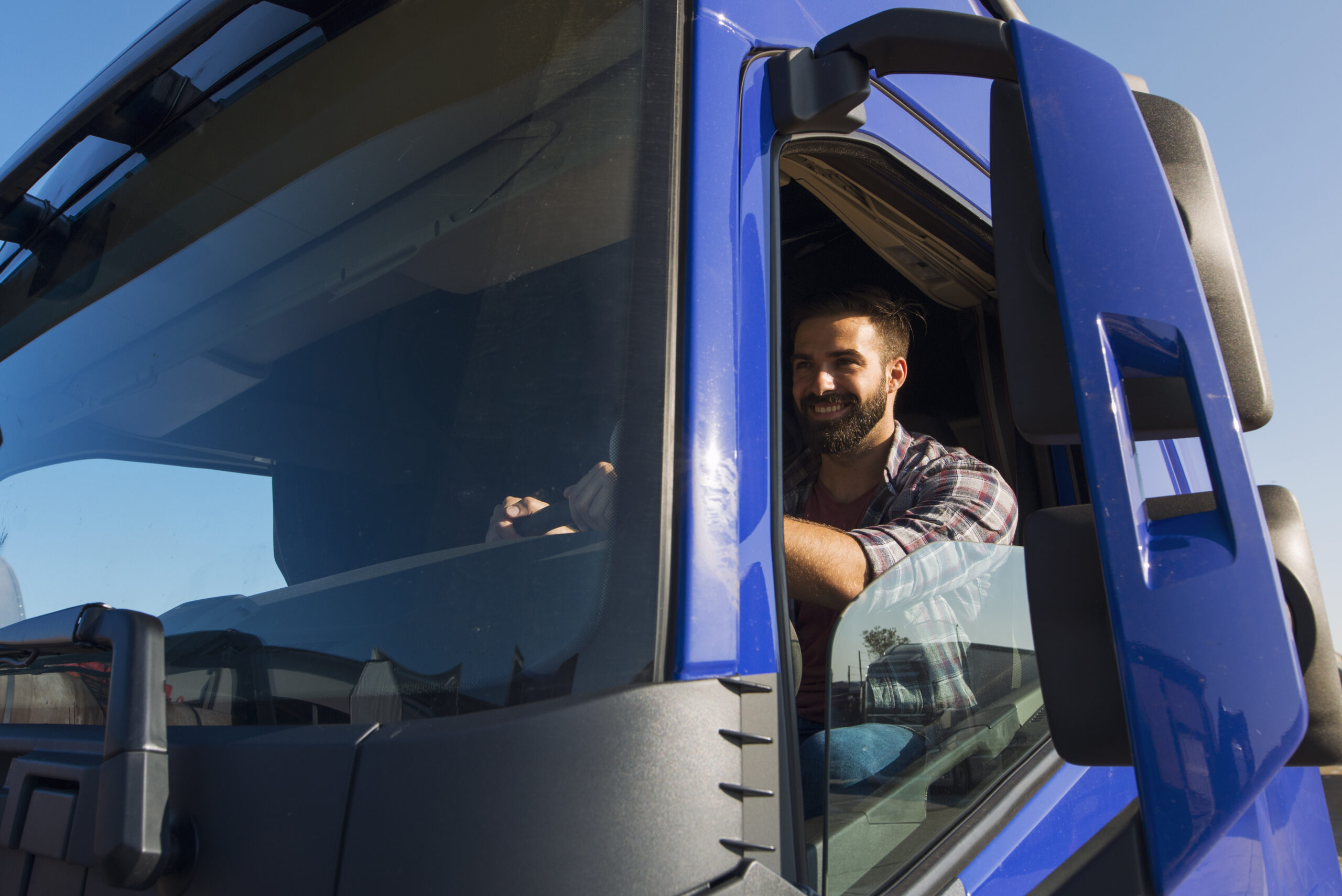
An owner operator, on the other hand, owns or leases his truck and is the sole proprietor of all facets of his business, including maintenance, insurance and contract acquisition. This independence also means more opportunities to earn money and flexibility in routes, timings, and cargo, while also presenting more responsibilities and operational expenses. The choice between the two routes will depend on the priority, risk appetite and career objectives of a person.
Steps to Becoming an Owner Operator Truck Driver
Just like any other career, careful planning and strategy can be an effective way to transition to an independent trucking career. First, aspiring owner operators have to obtain the necessary licenses and permits, which will involve a commercial driver’s license (CDL) and potentially state-specific registration. Understanding federal rules and compliance is key, because if you do not comply, then you could face fines or even the closure of your business.
Then, knowing the financial situation is important. Buying or renting a truck, getting insurance and planning for maintenance expenses are all considerable one-time investments. Many successful independent truckers start with a well-thought out business plan with an estimate of costs and expected income. Equipment loans and financing options also are popular options for the beginning entrepreneur.
Managing Operations as an Owner and Operator
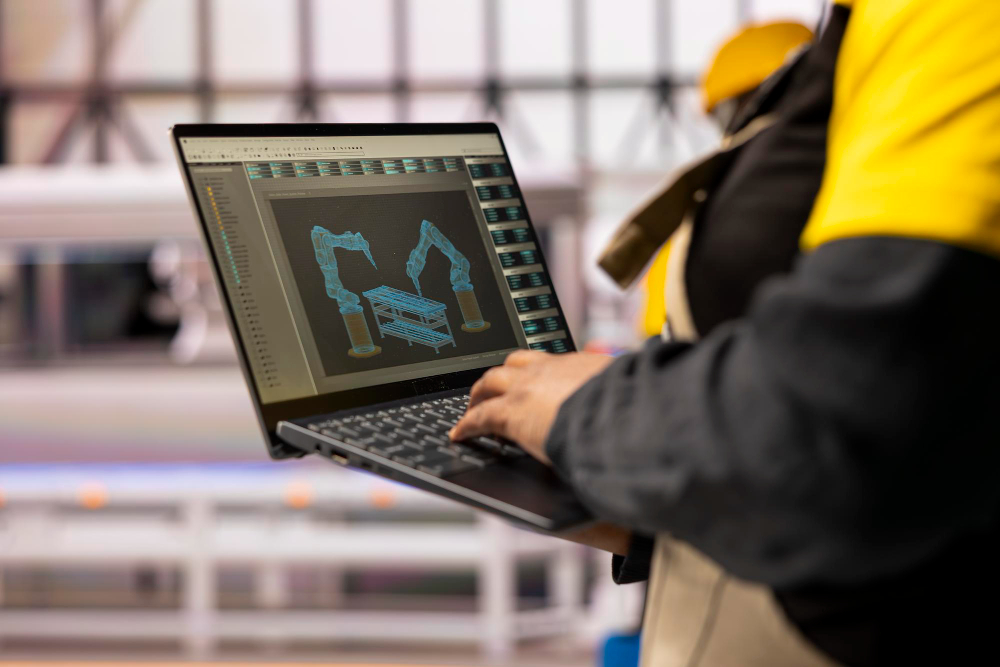
Being an independent trucker is more than just driving. The owner or operator is responsible for routing, load control and prompt delivery. Reputation and client trust are paramount, and efficient scheduling and safety regulation compliance are key. Independent truckers can use modern tools such as a TMS System to streamline operations, manage freight, track shipments, and optimize routes.
Another foundation of a good independent trucking company is the relationships with the shippers and brokers. Networking and reliability can result in repeat business and better paying jobs. Also, it is important to look professional, meet the delivery schedule and offer the best customer service, which separates the successful owner operators from their rivals.
Maximizing Earnings and Efficiency
Being an independent trucker can be a lucrative opportunity, but it’s not without its challenges. Choosing lucrative routes and freight types, adopting a fuel-efficient driving style and minimizing downtime between loads all help on the financial side. It is also important for the owner operators to be familiar with market trends and industry needs to be able to take advantage of new opportunities.
Insurance management and maintenance planning go hand in hand. Preventative maintenance helps to avoid costly breakdowns and keeps trucks running, helping to safeguard income and reputation. Also, having a know-how of the tax deductions that owner operators can take advantage of can help maximize net earnings, making comprehensive accounting practices an essential aspect of the business.
How Technology is helping Independent Truckers
The use of technology in trucking has revolutionized the way their owner operators run their operations. The use of digital load boards, GPS tracking, and fleet management software can help improve decision making and operational efficiency. For independent truckers, a TMS System is a crucial solution that enables them to stay on top of shipments, make sure that they are not miscommunicating, and work more efficiently when it comes to administrative tasks. Independent truckers who adopt these technologies can expect to ease the strain on their operations, boost profits, and secure a competitive advantage.
Challenges and Rewards of Independent Trucking
The independent trucking lifestyle and the prospect of the income can be appealing, but there are a few problems. Fuel prices, weather conditions and regulation requirements are challenges for owner operators. Additionally, there is also an increased risk financially since the owner is liable for the cost of the operation.
But the ones who overcome these obstacles reap huge rewards. Being able to make business decisions, select your routes and build your own brand in your sector is unbeatable. For many owner operators, the benefits of creating a sustainable business are the fulfillment that comes from the business being built based on their work ethic and professional values.
Growth Opportunities and Long-Term Strategy
There are multiple growth opportunities for independent trucking. There are opportunities for owner operators to grow through equipment additions, partnerships or niche freight markets. To achieve this, long-term planning, efficient management and the use of industry tools are essential in scaling up while keeping efficient and profitable operations.
Constant learning and also adapting is likewise crucial. Independent truckers should attend industry seminars, network with others, and stay up-to-date with regulatory changes. Combining experience, technology and business acumen, owner operators can achieve a viable and profitable future in the trucking industry.