
Although contactless delivery is a convenience, it is a necessity in today’s fast-paced business landscape. It is significant for the modern logistics, workplace safety and customer experience. For businesses, offices, and delivery systems to keep adjusting to a digital environment, contactless shipment handling is aiding in lessening delays, raising responsibility, and bringing about a more dependable shipping procedure.
From office materials and internal documents to retail parcels and high-volume deliveries, contactless delivery is a viable choice for safer and more efficient logistics solutions. This mode of delivery can assist brands in both the operational performance and trust for those seeking an increase in service quality that addresses evolving customer demands.
What Is Contactless Delivery?
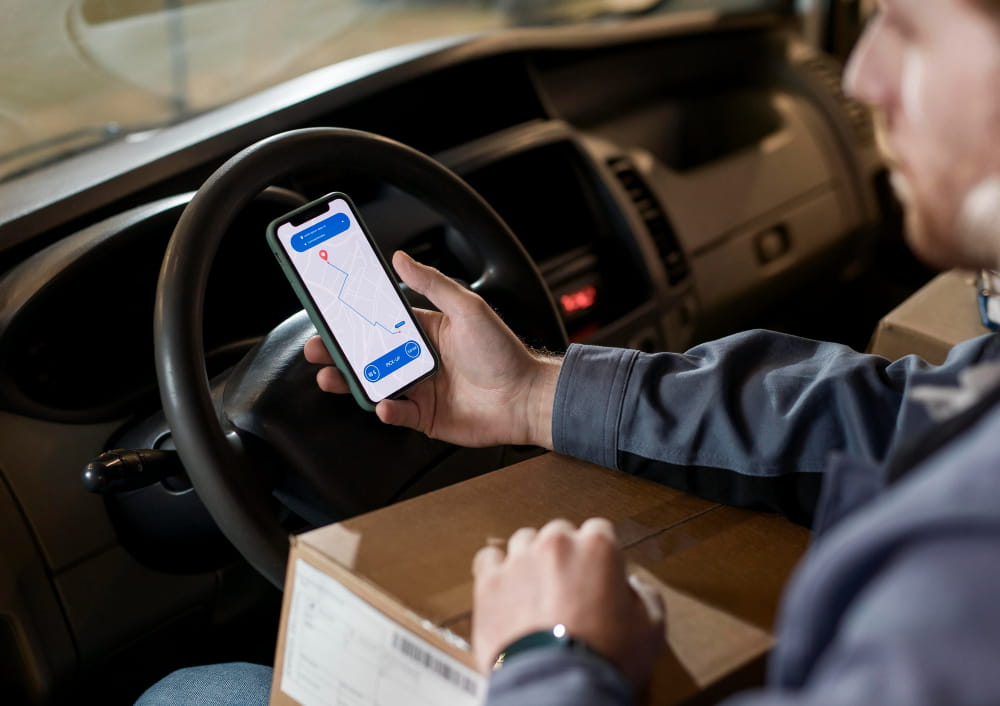
A delivery technique that involves no contact between the delivery person and the person receiving the items. The courier drops off the parcel in a secure location, electronically verifies the drop-off and informs the recipient.
This has been more and more relevant in offices, residential buildings, commercial buildings, warehouses and institutional buildings. It’s very straightforward: minimize unnecessary contact while keeping it fast, easy, and proving delivery success.
For many industries, contacless delivery is considered a regular service option instead of a momentary fashion. This will facilitate hygiene, save time at drop-off points, and provide a more efficient delivery process for the sender and receiver.
How Contactless Delivery Works in Real Operations
Knowing the process of contactless delivery can help businesses realize the effectiveness of this process. It is a simple procedure that can have a huge impact on logistic performance.
The contactless delivery process scenario is a typical process that contains the following stages:
1. The sender intends to arrange or send off a delivery using a digital delivery system.
2. Recipient is informed about shipping, delivery date and any instructions.
3. Courier is to the site and drops off at an agreed upon site.
4. A digital confirmation is taken such as a time stamp, image, location verification or signature alternative.
An e-mail message is sent to the recipient indicating that the package has arrived.
This system not only decreases waiting time but also decreases congestion at the delivery locations and improves the efficiency of drivers’ routes. In workplaces, it also ensures the reception staff do not have to stop and bother with daily parcel processing.
Modern logistics platforms also enable businesses to link up contactless workflow processes with the ‘Electronic Proof of Delivery, Cash on Delivery (COD) systems and continue to maintain conference, payment monitoring and confirmation requirements without the face-to-face exchanging.
Why Contactless Delivery Matters for Today’s Businesses
Digital commerce, distributed workforces and elevated consumer expectations have impacted the way companies consider delivery. Quick service is no longer sufficient. Businesses require safe, traceable and hassle-free shipping.
The Benefits of Contactless Delivery are particularly evident at this point. It helps companies minimize friction in the last mile process and maintain the quality of services. It is able to help your office with internal logistics, give customers more confidence with delivery and ease the strain of frontline employees.
Contactless systems offer a greater confluence of efficiency and control for businesses that require a lot of parcels to be moved around. This enhances delivery experience, not just for the receiver, but dispatchers, operations managers and even courier teams.
Benefits of Contactless Delivery for Offices and Commercial Spaces
Contactless package delivery in offices is particularly useful since offices receive often several packages every day. Having to deliver a parcel manually can interrupt your deliveries, cause delays at the reception and cause confusion about who took a parcel.
Contactless delivery offers a number of opportunities for offices to simplify the process, including:
Better Workplace Efficiency
No more having to deal with all of the packages in person, for reception and office administration staff. Items can be dropped off at parcel rooms, smart lockers, security desks or drop zones. This helps to save time and avoids disruption to workflow.
Improved Health and Safety
It helps limit physical contact, which aids in keeping the work area clean and decreases unnecessary exposure in heavily trafficked areas. This can be particularly helpful in office buildings or any other space shared by multiple individuals throughout the day, such as corporate buildings, healthcare offices, or institutions.
Stronger Delivery Transparency
Digital records will allow them to check that an item was delivered at a specific time and place. Photos, timestamps, and system-based confirmation are provided to minimize disputes and increase the sender, courier, and receiver’s trust.
Lower Congestion at Entry Points
Business reception counters and/or entrances may be overcrowded during peak delivery times. Contactless process minimizes bottlenecks and keeps building access points more organized.
More Flexible Receiving Options
Teams may take packages even if the for person is not seated at their desk. This flexibility can be particularly valuable in hybrid offices where people don’t always work in the office.
How Contactless Delivery Supports Customer Experience
Customers’ expectations are now on convenience, speed, and visibility. Contactless delivery is a direct enabler of all three.
People receiving the items like it to collect without manual signing or having to wait at the door. They can also get instant digital confirmation, bringing peace of mind. This saves your business from delivery failures and has a positive impact on satisfaction.
This model also assists in minimizing the squabbles due to incomplete or failed deliveries. With the digital proof embedded in the process, customer support teams can respond to problems faster. This translates to less complaining, quicker resolution and increased service credibility.
If applied via the correct logistics system, contactless delivery can turn out to be a competitive advantage. It is an indicator of a modern and efficient company that is sensitive to the likes of its customer.
The Role of Technology in Contactless Delivery
Reliable contactless delivery is built on top of technology. If your approach to a no-contact drop-off isn’t backed by the right digital technologies, it can cause confusion, rather than convenience.
A functional system should be able to:
- Real-time tracking
- Delivery scheduling
- Location verification
- Photo-based confirmation
- Automated notifications
- Route optimization
- Delivery data reporting
These tools provide measurability and accountability in the process. Businesses can leverage performance trends, study delivery success rates, and pin-point recurring service gaps.
For instance, if a company implements delivery workflows with Electronic Proof of Delivery, Cash on Delivery features, they will have visibility and control over their delivery operations. This is particularly beneficial for small businesses that still need payment-based delivery options, but also desire a more seamless, touchless experience.
Common Use Cases Across Industries
Contact-less delivery is no longer only for the grocery, drug or electronics stores. Can be used for ecommerce and beyond food delivery. This method is useful in many sectors as it addresses issues of access, safety, and timing in ways that are practical.
Corporate Offices
Every day Business Parcels, equipment, employee deliveries and documents are delivered to office buildings. Contactless systems decrease the work load on the front desk and enhance the system inside.
Retail and E-commerce
Online shoppers want delivery options that are not only quick, but also hassle free. Contactless drop offs can help reduce customers frustration and quicker order processing times.
Healthcare and Medical Supply Delivery
Controlled delivery processes are often necessary for hospitals, clinics, labs, and pharmacies. Contactless handling can minimize unnecessary physical handling, while maintaining traceability.
Warehousing and Distribution
For industrial and logistics facilities, contactless confirmation process helps in speeding up the operations and minimizing congestion at the loading and receiving points.
Educational and Institutional Facilities
For schools, universities and administrative buildings, a selection of drop points and digital proof can be provided, particularly where staffing resources are scarce.
Best Practices for Implementing Contactless Delivery Successfully
Companies seeking to enhance their logistics by means of contactless delivery should prioritise process transparency and systems consistency.
A few tips for good practice:
Define Approved Drop-Off Points
Clearly marked zones allow deliveries to be made with less confusion, allowing drivers to complete deliveries more quickly.
Use Digital Confirmation Every Time
Consistency matters. All deliveries should include a robust proof of delivery like image capture, timestamp or notification to recipient or geo verification.
Communicate Instructions Clearly
Instruction to either the recipient or courier must be simple and accurate. This includes, but is not limited to, access notes, building rules, and delivery preferences.
Train Delivery Teams on Standard Procedures
If you’re going to be a strong contactless model, you need to be consistent. Drivers should be familiar with the location to put parcels, how to check off is complete, and what to do in the event of an exception.
Monitor Performance Through Data
Regularly check records on delivery success, failed attempts, complaints, proof records. This will help to improve the quality of services overtime.
When implemented, these practices have measurable impacts on companies which show increased efficiencies, transparency, and customer confidence. This is one of the reasons why enterprises keep on investing in clever logistics solutions, such as those offered by Truxup.
Why Contactless Delivery Will Remain Important
Contactless delivery is no longer only a result of current market conditions. It is an image of a more digital minded logistics, a more safe working arrangement, and more convenience-oriented service design.
Trustworthy contactless systems will be increasingly required as more business operations are being optimized with last-mile delivery and handling parcels within the business. Offices desire a decreased disturbance. Their customers will want to have a better visibility. Delivery teams require quickened processes. Contactless delivery benefits all 3.
The advantages are obvious for businesses looking to logistics that can last for the long-term: less hassle with the delivery, improved documentation, better experience for the recipient, and greater flexibility of the business. Businesses can begin taking steps towards this model with platforms like Truxup and the resources they have to become smarter.
Building a More Reliable Delivery Process with Contactless Methods
A good contactless delivery system does more than just minimize in-person interactions – it helps businesses thrive. It establishes a more straightforward and efficient delivery process, making it easier to manage, track, and trust.
Whether it’s grasping What is Contactless Delivery? or realizing the complete benefits of Contactless Delivery, there is a clear opportunity today for companies to modernize the way shipments are transported in and out of offices, commercial properties and customer facilities. This trend illustrates the significance that contactless delivery now plays in everyday business and a more efficient logistics approach.
With rising expectations of delivery, companies who invest in smarter, verified, and low friction service models will be more likely to enhance their operations and customer satisfaction.