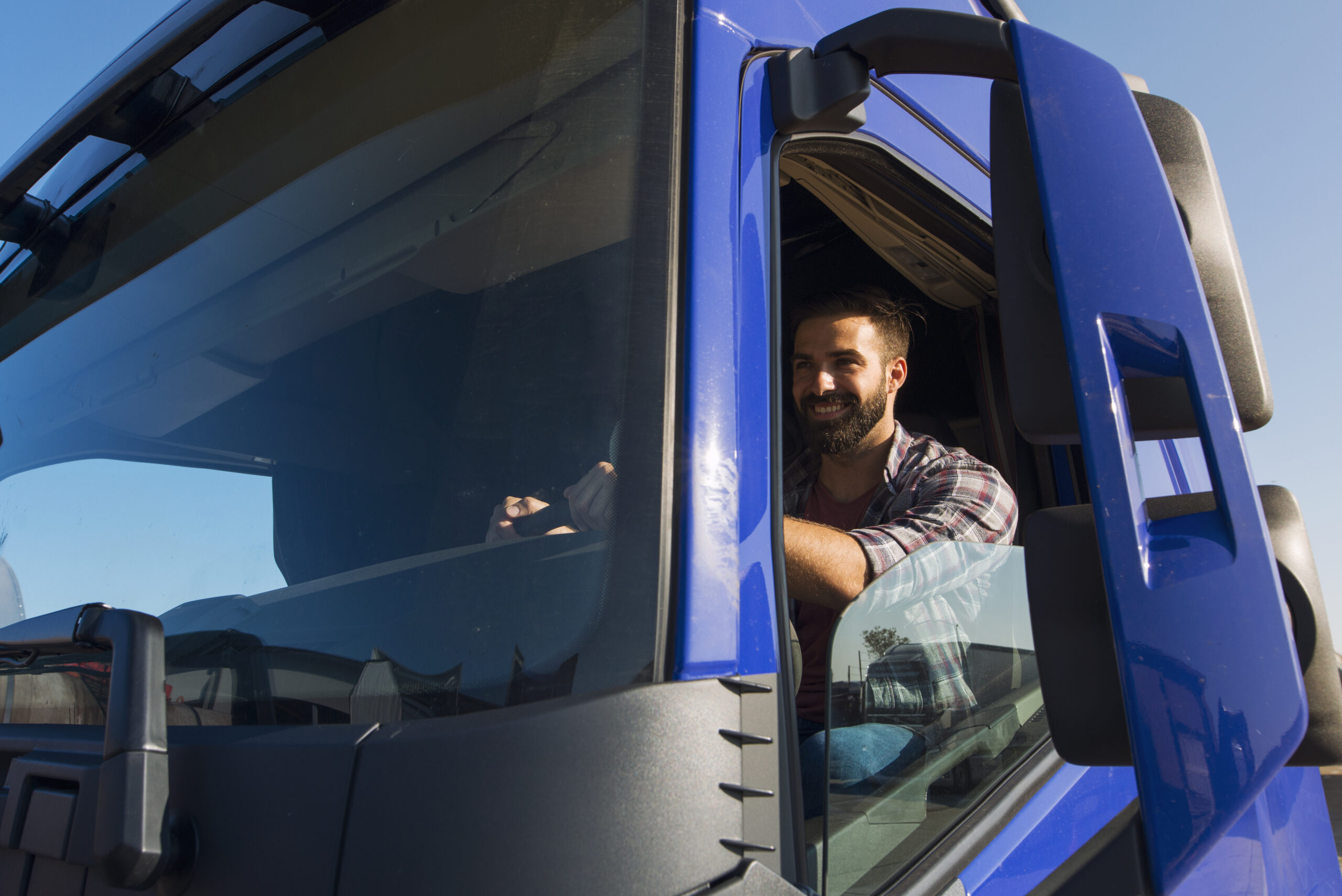

The trucking industry is vital to the efficient functioning of global supply chains. The OTR driver is among the most critical but not an exhaustive list of types of trucking jobs. If you have ever wondered what an OTR driver is or what are “OTR drivers,” this detailed article will give you the information and clarity you need on the role, responsibilities and career path of over-the-road driving.
What OTR Driver Do
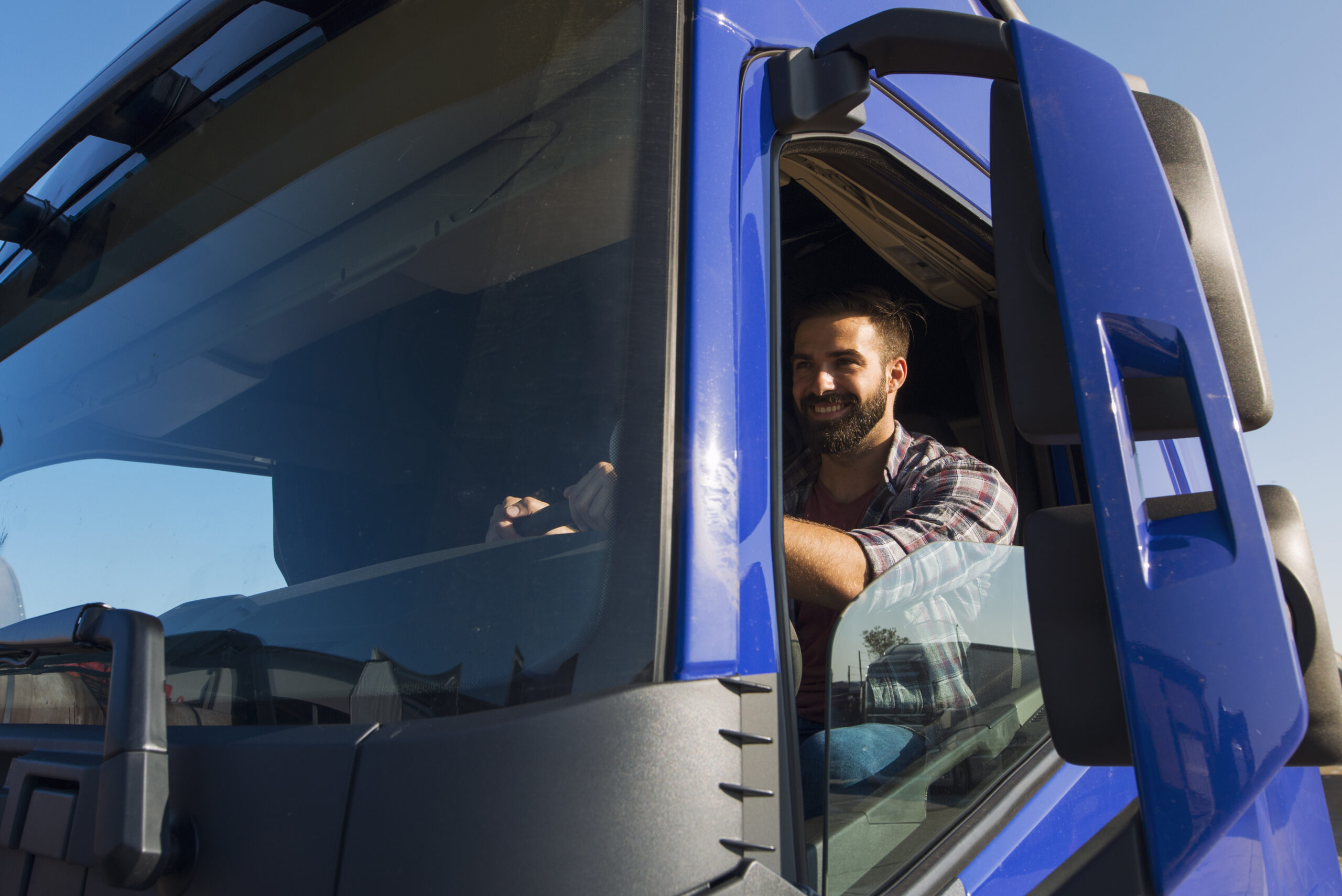
OTR (Over-the-Road) Drivers is the people who drive trucks to move goods over long distances, frequently across state lines or regions. OTR drivers spend longer periods of time on the road than local / regional drivers, often for several days or even weeks of driving.
OTR drivers, when people ask what is an OTR driver, is the easiest answer: a long-haul transportation specialist making sure that goods are moving smoothly over vast geographical regions. These drivers form an essential link in the logistics chain, supporting businesses to keep their inventories moving and delivering orders on time.
What Is OTR Trucking?
OTR Trucking is an acronym for Over The Road (long distance) Trucking. This type of trucking is intended to run through the country or across state lines for long-distance or interstate transport and is frequently used by big logistics operators and supply chains.
The distinguishing features of OTR trucking are the long-haul distances, long hours, sleeper cabs and required on-time delivery. It is indispensable for industries where there is a need for timely and mass transportation.
Core Responsibilities of OTR Truck Drivers
OTR drivers are not just truck drivers. OTR drivers have many responsibilities other than driving a truck. They need to be disciplined, responsible and have good time management skills.
They are mainly involved in transporting freight, ensuring safe and timely delivery. They also need to organize efficient routes, considering the need for fuel breaks and rest periods as well as traffic conditions.
Another key responsibility is vehicle inspection. Drivers are responsible for performing pre-trip inspections and post-trip inspections to make sure that the truck is in top condition and at the same time, it is safe to drive. Also, compliance to regulations is compulsory. OTR drivers have to adhere to specific regulations concerning drive time, rest time, and safety regulations.
Difference Between OTR Trucking and Local Trucking
It’s essential for anyone interested in becoming an OTR truck driver to realize the difference between OTR truck driving and local truck driving.
OTR trucking includes a lot of traveling, living out of the house and often pays higher wages because of the work that requires. Local trucking, on the other hand, usually takes place within a certain city or region, with drivers making shorter commutes that enable them to get home every day, and develop a steady schedule.Local trucking is more likely to run within a city or region and drivers can return home on a daily basis which helps them adopt a more predictable schedule.
This is particularly good for those who are not afraid of travel and like a road-based workflow environment.
Lifestyle of OTR Truckers
OTR trucking jobs are distinct from office jobs, and they come with a lot of different circumstances. It can be liberating and/or challenging, depending on individual tastes and flexibility.
OTR drivers spend a lot of time on the road, and this can include visiting various cities, states and landscapes. For people with a mobile mentality, this might be a good thing to work for. At the same time, it is a time away from family and home.
The working environment is a mobile environment, the truck cabin becomes the working place as well as the living environment when the truck is in motion. This demands a lot of organization, self-discipline and good time management.
How to Become an OTR Truck Driver
If you’re interested in becoming an OTR truck driver and you want to know what to do, here are four steps to becoming a truck driver.
Firstly, they must meet minimum age and driver’s license requirements. It is helpful to have a high school diploma but not always required.
Getting a Commercial Drivers License (CDL) is the most significant of all the requirements. This includes taking a certified training program and written and practical driving tests. CDL training programs teach fundamentals of driving, rules and regulations, and operating a truck on the road.
After obtaining their license, potential drivers can then submit applications to trucking firms which provide OTR opportunities. There are many firms that offer on-the-job training to assist new drivers to get actual experience. With experience, drivers can acquire skills and increase their income potential.
Skills Required for OTR Driving Success
There is a certain set of skills that must be developed in order to be successful in OTR trucking. Senior drivers must also manage their time carefully, ensuring they are on schedule during their deliveries, and within legal driving times.
Effective problem-solving skills are also crucial, as drivers might face unforeseen scenarios like traffic congestion, weather conditions, or mechanical problems. Physical and mental stamina are also important as one drives for many hours.
In addition, communication abilities are crucial, as drivers need to be able to communicate effectively with dispatch teams, clients, and logistics managers to facilitate smooth operations.
Benefits and Challenges of OTR Trucking
The primary advantage is that they might be able to make a higher amount of money than a driving job locally. OTR drivers are also independent, as most of their working time is spent out on the road. Also, moving and seeing various places can be attractive.
But there are also challenges in the job. Being away from one’s home for long periods of time may be challenging for people who have family responsibilities. Long driving hours, and the requirement to be alert can also be difficult.
The Role of Technology in Modern OTR Trucking
In today’s era, OTR trucking has come a long way from the days of manual operations and embraced technological advancements. The use of GPS systems, route planning software, and ELTs has improved driver efficiency and helped them stay within the rules.
One way companies are driving this change is through the implementation of technology that streamlines logistics workflows and enhances communication between drivers and dispatching systems, such as Truxup.One such way that companies are driving this change is by the introduction of logistics technology that streamlines logistics processes and improves communication between drivers and dispatching systems, like Truxup. With the continued development of the technology OTR drivers will be even more streamlined and more driven by data.
Career Growth Opportunities in OTR Trucking
OTR trucking isn’t simply a means to make money; it’s a career with potential growth opportunities. Advanced Transport Management roles, like handling hazardous materials, oversized loads, can be pursued by experienced drivers, leading to increased earning opportunities.
Others move on to become fleet managers, meat trainers or logistics coordinators. Others can be owner operators and be on their way to greater financial independence through their own trucking operations.
Why OTR Drivers Are Essential to the Supply Chain
The role of OTR drivers is vital to the smooth movement of goods from manufacturers to consumer. If there wasn’t OTR trucking, businesses would find inventory management a real challenge and would not be able to satisfy the demand of the customers.
Whether it’s transporting vital supplies or helping in large-scale industrial as well as job functions, OTR drivers are the lifeline of the logistics sector. It is particularly important in the present day’s fast paced economy of ‘on-demand’.