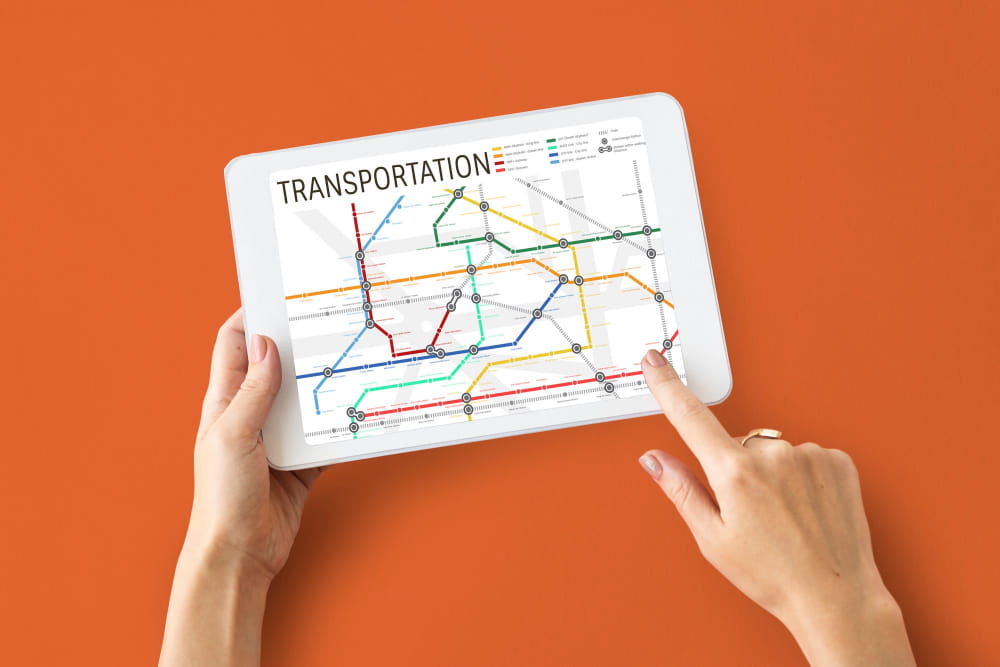


Living in the modern world of a rapidly changing globalized economy, companies are beginning to appreciate the importance of supply chain visibility as vital. It is much more than mere shipment tracking, it is a broad understanding of all areas of the supply chain, procurement to delivery. As logistics and customer demands continue to get more intricate, and as customers demand faster and more transparent services, improving visibility is no longer an option, but a necessity.
What is Supply Chain Visibility?
Supply chain visibility can be said to be a feature of a firm to monitor products, inventory and shipments throughout its entire supply chain on a real time basis. Such openness enables organizations to take data-driven decisions, streamline operations, and address risks. Visibility enables companies to think through potential disruptions, keep stakeholders better in touch and provide a consistent customer experience.
In the absence of the visibility companies tend to experience inefficiencies like delayed deliveries, poor inventory control, and unwanted operational expenses. The inability to have clarity in the various processes involved in supply chains may also interfere with the strategic planning and ability to respond to changes in the market.
Typical Supply Chain Visibility Problems
Nevertheless, although it has a number of advantages, many organizations still struggle to attain end of chain visibility. The most common supply chain visibility problems are:
- Fragmented Systems: Most companies operate with a variety of logistics, procurement, and inventory systems that are not connected to each other, which is why it is hard to get a coherent look at them.
- Data Silos: Inadequate information exchange among suppliers, carriers, and internal teams may hinder insightful information.
- Global Supply Chain Complexity: International supply chains are characterized by a number of parties, regulations, and time zones, that make it hard to track operations in real-time.
- Limited Predictive Insights: Though shipment tracking is helpful, advanced analytics are needed to predict possible disruptions, and not every organization has it.
These barriers are vital to businesses that need to take advantage of the potential offered by supply chain visibility.
Strategies for Improving Supply Chain Visibility
The visibility needs improvement which should be a mix of technology, process enhancement, and co-operation with supplier chain partners. The following are some of the measures organizations can take:
1. Adopt new technology
The contemporary software programs allow tracking in real-time, predictive analytics, and automatic alerts, which keep businesses on the lead of possible disruptions. Such tools as Transportation Management Systems (TMS) and Warehouse Management Systems (WMS) enable businesses to track deliveries, control their stocks, and plan their ways most effectively. Moreover, cloud-based solutions allow all the stakeholders access the same updated information minimizing the occurrence of errors and misunderstandings.
Implementing the integration of Freight Broker TMS would be an excellent option to manage the supply chain more effectively as it would streamline the freight operations, offer actionable insights, and improve cooperation with carriers.
2. Leverage Predictive Analytics
Supply chain predictive analytics is gaining more importance in its use. Through historical analysis, businesses are able to predict changes in demand, any likely delays as well as out-of-stock. The predictive insights will allow to take proactive decisions and minimize risks and delays. When predictive analytics are implemented, the companies usually achieve reduced operational expenses and customer satisfaction.
3. Nurture Supplier and Partner Cooperation
Internal operations are only visible to a certain extent. Creating effective partnerships with suppliers and distributors, as well as the logistics providers, contributes to data sharing and transparency. This cooperative method enables firms to monitor products at every phase of the supply chain, identify likely bottlenecks, and react to demand fluctuations spurred.
4. Standardize Data collection and reporting
The inconsistent data forms and reporting procedures may impede supply chain visibility. Unification of data collection, storage, and analysis guarantees reliable and practical insights. This involves utilizing the use of standardized tracking codes, barcodes or RFID tags to all shipments so that they can be easily tracked and reported.
The Application of Local Supply Chains in Improving Visibility
The emphasis on local supply chains is one of the trends that are becoming increasingly popular. Local supply chains tend to provide visibility advantages to the companies sourcing and supplying goods nearer to their end markets. Shorter supply chains make monitoring easier, transportation risks are cut and response time to demand changes is faster. Localization of operation may also enhance sustainability through reduction of carbon footprints and disruptions due to global uncertainties.
Measuring the Impact of Visibility Improvements
The improvements in visibility of the supply chain can be measured by the businesses in terms of several key performance indicators (KPIs):
- On-time Delivery Rates: Keeping track of deliveries and finding out when it hits bottlenecks can be used to deliver products to customers on time.
- Inventory Accuracy: Visibility enables more accurate inventory management and lessens overstocking or stockouts.
- Against Costs of operation: Clean logistic operations will lead to cost savings through less disruption.
- Customer Satisfaction: Transparency and correct delivery schedules create trust and enhance customer loyalty.
The measures of visibility can be tangibly increased by companies investing in it, which strengthens the principle of ongoing monitoring and optimization.
Future Trends in Supply Chain Visibility
With the changing technology, future of supply chain visibility looks bright. Key trends include:
- Artificial Intelligence and Machine Learning: AI and ML are able to process large volume of data to forecast possible disruptions, optimize routes, and improve decision-making.
- Internet of Things (IoT) integration: IoT devices offer real-time monitoring of shipping, equipment, and storage conditions, which boost operational control.
- Blockchain Technology: blockchain provides a secure and tamper-proof records of transactions throughout the supply chain, enhancing transparency and accountability.
- Sustainability Metrics: Visibility platforms track sustainability progressively, assisting companies to satisfy regulatory requirements and consumer demands regarding sustainability.
All these will further revolutionize the supply chain operations with visibility being one of the pillars of competitive advantage.
Transforming Customer Experiences with Transparency
One of the most significant benefits of improved supply chain visibility is its impact on the customer experience. Clear supply chains also enable companies to give precise updates on deliveries, predict the possible delays, and to give proactive solutions. Customers are also demanding real-time information and companies that can provide this transparency have better chances to gain trust and loyalty. Visibility is not only an instrument of operation in competitive industries, it also ranks as one of the differentiators.
Integrating Visibility into Business Strategy
Lastly, supply chain visibility has to be a part of the general business strategy to be effective. This implies the alignment of initiatives of visibility to organizational objectives, which include costs reduction, efficiency in operations and customer satisfaction. Strategic integration is also known to include constant performance review, ability to invest in emerging technologies and keeping up-to-date with industry trends. Firms that treat visibility as an asset of the firm, and not of a technical ability, are in a stronger position to overcome market shocks and move to long-term success.